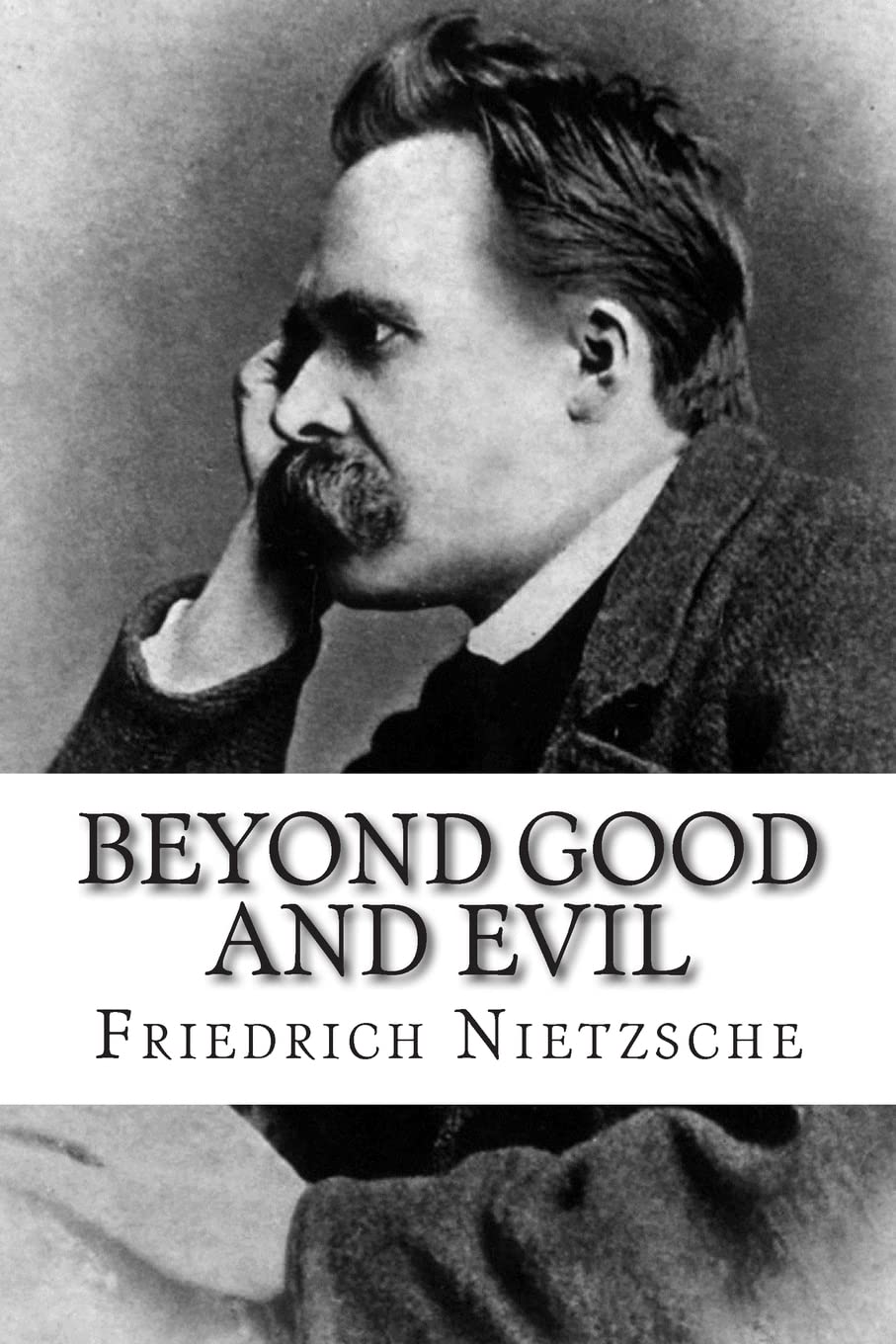
فراسوی نیک و بد
فراسوی نیک و بد (1886) is Friedrich Nietzsche’s sweeping critique of the philosophical tradition that came before him. He argues that most Western philosophy, and the morality it produced, wasn’t discovered through pure reason but shaped by the psychological needs and hidden interests of the philosophers who built it. At the center of the book is his distinction between “master morality” and “slave morality”: conventional ethics, particularly Judeo-Christian morality, he argues, was constructed by the weak to constrain and moralize away the power of the strong, prizing meekness, humility, and self-denial over strength, ambition, and vitality.
Nietzsche calls for a “revaluation of all values,” urging a move beyond inherited categories of good and evil toward principles that affirm life itself rather than deferring meaning to an otherworldly, transcendent order. The book also introduces or develops several of his most influential ideas, including the “will to power” as a fundamental human drive, and his skepticism toward absolute truth, free will, and objective morality. Written in a series of aphorisms rather than a linear argument, it’s dense and provocative by design, meant to unsettle rather than comfort.